
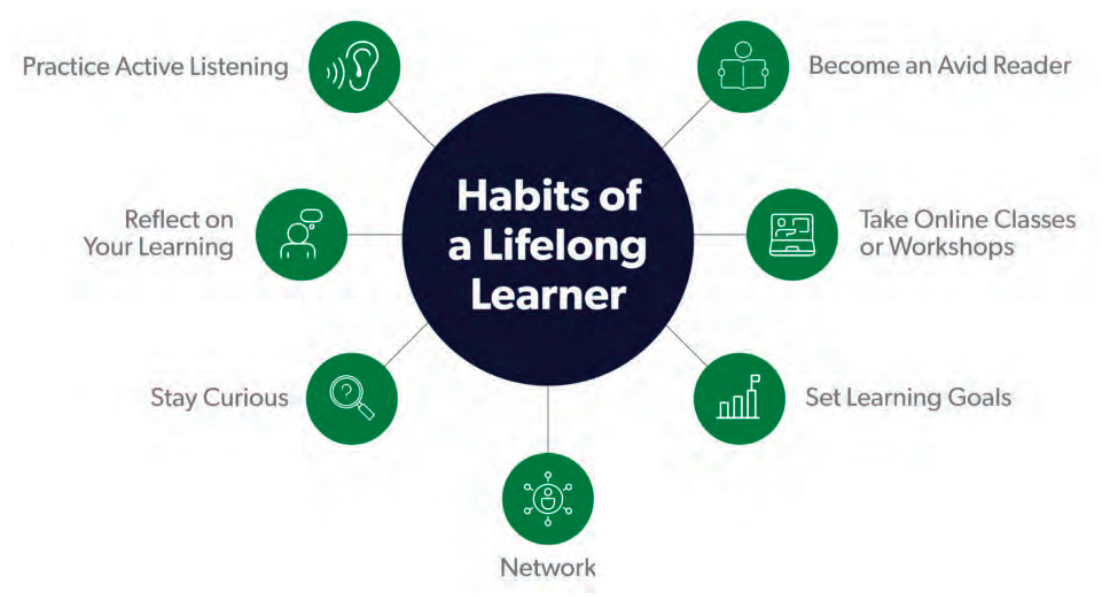

DAR ES SALAAM: “THE future does not belong to those who stop learning and it belongs to those who never stop learning.” In today’s rapidly changing world, knowledge and skills have become among the most valuable resources a nation can possess. Imagine a child entering primary school today.
By the time that learner completes education and joins the labour market, many current occupations may have changed or disappeared, while new careers driven by Artificial Intelligence (AI), digital technologies and innovation will have emerged.
This reality presents both opportunities and challenges. In the 21st century, national progress will increasingly depend not only on natural resources but also on the ability of citizens to acquire knowledge, adapt to change and continuously develop their skills.
Recognising this global shift, the United Nations Educational, Scientific and Cultural Organisation (UNESCO) has placed Lifelong Learning at the centre of its education agenda.
In Tanzania, the UNESCO National Commission of the United Republic of Tanzania continues to support this vision by promoting policies, partnerships and knowledge sharing initiatives aimed at preparing citizens for future demands while contributing to the country’s Development Vision 2050.
Lifelong learning as a global vision for the future
The idea of Lifelong Learning has guided UNESCO’s education agenda for more than five decades.
Its foundation was established in 1972 through the Faure Report, Learning to Be, which argued that education should not end after formal schooling but should continue throughout a person’s entire life.
The vision was further strengthened in 1996 through the Delors Report, Learning: The Treasure Within, which introduced four important pillars of learning: Learning to Know, Learning to Do, Learning to Live Together and Learning to Be.
These principles remain relevant today and continue shaping education systems worldwide. Lifelong Learning is now a central component of the Education 2030 Agenda and Sustainable Development Goal 4 (SDG 4), which promotes inclusive, equitable and quality education while ensuring learning opportunities are available to all people throughout life.
Why lifelong learning matters today
The speed of technological advancement has transformed the way people work, communicate and solve problems.
Artificial Intelligence, automation and digital transformation are reshaping industries and creating new demands for skills.
Many jobs available today may change significantly in the coming years, while emerging professions will require creativity, technological knowledge, problem-solving abilities and adaptability.
As a result, education can no longer be viewed as something completed only in schools, colleges or universities.
Instead, learning must become a continuous process that enables individuals to remain productive and competitive throughout their lives.
For countries seeking to develop knowledge-based economies, Lifelong Learning is no longer merely an education concept; it is a national development priority.
A workforce that continuously improves its skills is better prepared to support innovation, increase productivity and respond to economic and social changes.
UNESCO National Commission’s strategic role in Tanzania
As the institution responsible for coordinating Tanzania’s participation in UNESCO programmes, the UNESCO National Commission of the United Republic of Tanzania serves as an important link between international knowledge and national development priorities.
The Commission works with government institutions, universities, researchers, development partners and other stakeholders to promote UNESCO’s education priorities and support discussions on the future of learning, innovation and skills development.
Among the areas supported by the Commission are quality and inclusive education, digital learning, educational innovation, Education for Sustainable Development, adult and continuing education, Global Citizenship Education, media and information literacy and responsible use of emerging technologies, including Artificial Intelligence.
Through Tanzania’s participation in UNESCO conferences, policy discussions, expert meetings and international cooperation platforms, the Commission provides opportunities for sharing knowledge, accessing global research and adopting successful approaches that strengthen education and human capital development.
These efforts complement government initiatives aimed at modernising education and preparing Tanzanians for an increasingly digital and competitive global economy.
ALSO READ: Integrity must remain key to lifelong prosperity
Preparing Tanzania for Vision 2050
Tanzania is entering a period where economic success will increasingly depend on science, technology, innovation and skilled human capital.
Digital transformation is expanding across sectors, while Artificial Intelligence continues changing the future of work.
At the same time, thousands of young people enter the labour market every year, creating a need for citizens with adaptable skills and the ability to compete globally. These realities require more than academic qualifications.
They require individuals who are willing to continue learning, improve their abilities and embrace innovation throughout their lives.
Lifelong Learning benefits everyone—not only students, but also teachers, entrepreneurs, farmers, researchers, professionals, public servants and communities seeking better livelihoods.
By encouraging continuous learning, Tanzania can develop citizens who are more innovative, productive and prepared to contribute to national development.
Supporting Tanzania’s Development Vision 2050
Tanzania’s Development Vision 2050 aims to create a modern, inclusive and competitive economy supported by a skilled and knowledgeable population.
Achieving this ambition requires expanding access to education while building a national culture where learning continues throughout life.
Innovation, creativity and digital competence must become essential characteristics of Tanzania’s workforce if the country is to compete effectively in the global economy.
Through promoting UNESCO’s Lifelong Learning agenda, the UNESCO National Commission contributes to building a resilient and innovative society capable of responding to future challenges and opportunities.
Advancing the 4Rs Philosophy
The Lifelong Learning agenda closely supports the 4Rs Philosophy championed by President Dr Samia Suluhu Hassan.
Through Reforms, it encourages continuous improvement of education systems to meet changing national and global demands.
Through Resilience, it equips citizens with the ability to respond to technological, economic and environmental changes.
Through Rebuilding, it strengthens human capital development through continuous knowledge acquisition, innovation and skills improvement.
Through Reconciliation, it promotes equal access to learning opportunities, ensuring that every citizen can participate in the country’s development journey.
The nations that will succeed in the future will not necessarily be those with the greatest natural resources, but those whose people continue learning, innovating and adapting.
For Tanzania, investing in Lifelong Learning means investing in productivity, economic growth, social inclusion and sustainable development.
Through its role in coordinating Tanzania’s engagement with UNESCO and promoting global education priorities locally, the UNESCO National Commission of the United Republic of Tanzania continues contributing to the creation of a learning society prepared for the demands of the 21st century.
As Tanzania advances towards Development Vision 2050, the Commission remains committed to supporting a future where every citizen has the opportunity to learn, develop skills, innovate and contribute throughout life.
A nation that never stops learning is a nation that never stops progressing.