
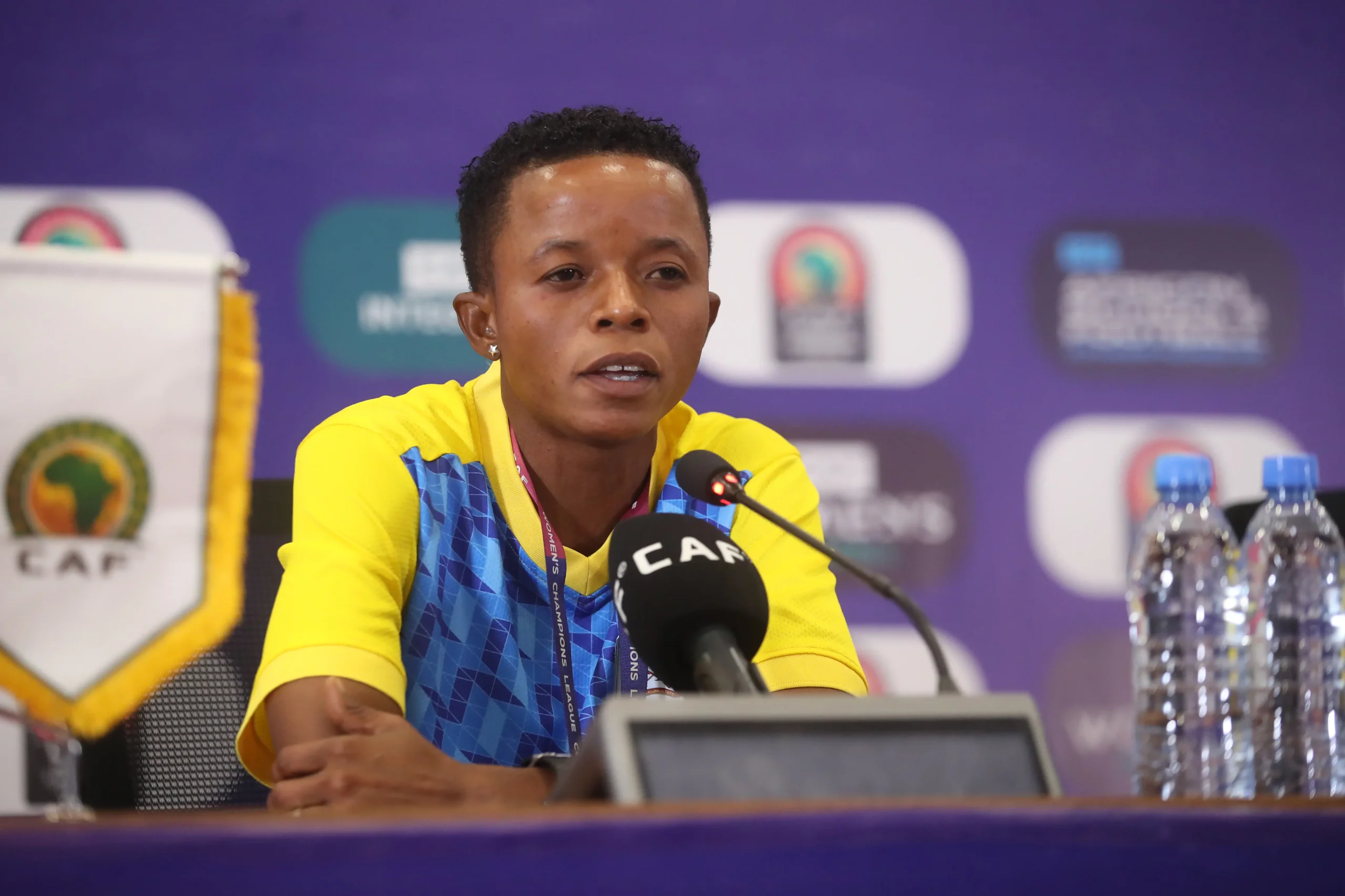
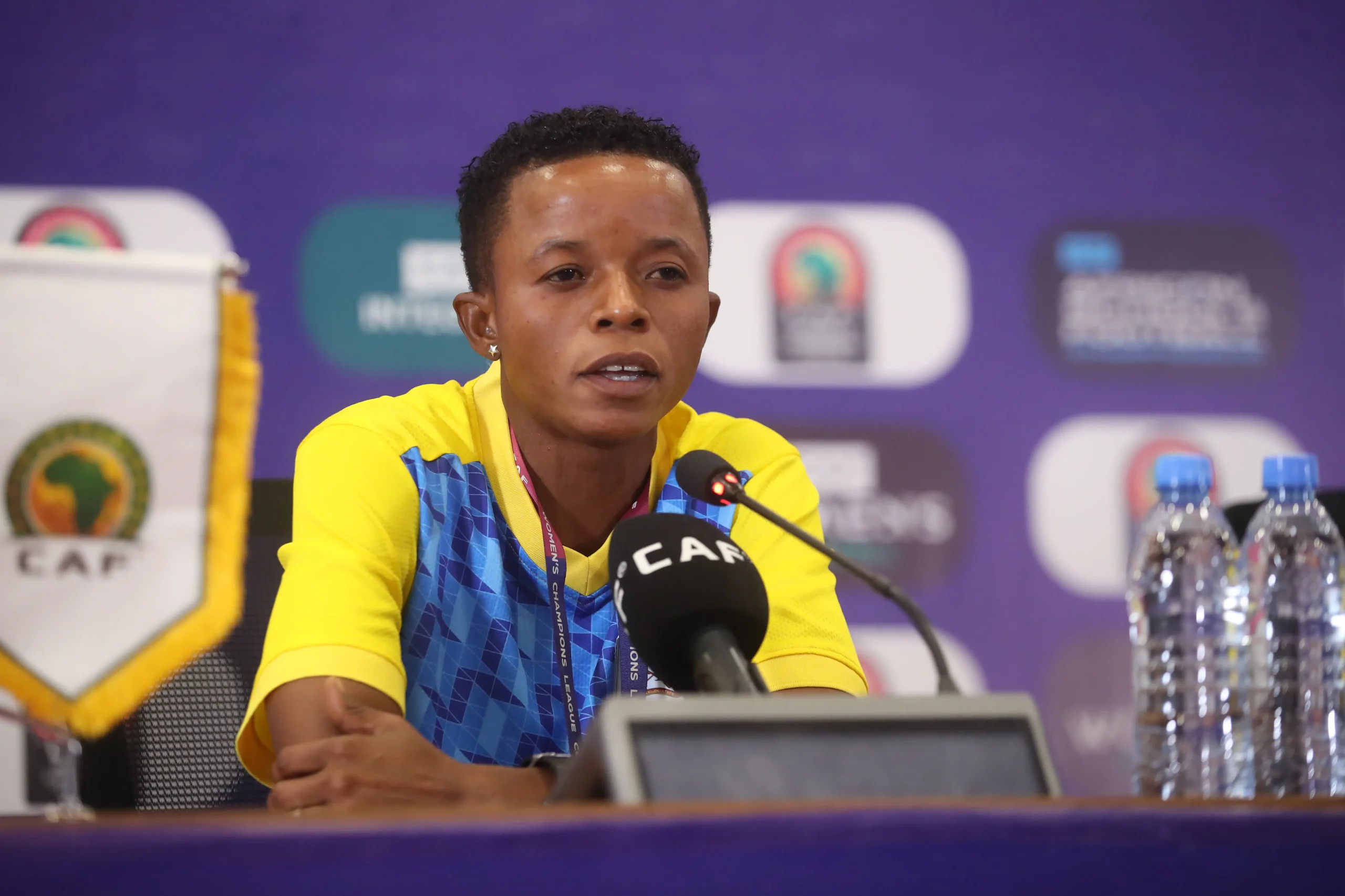
DAR ES SALAAM: SERENGETI Girls assistant coach Esther Chabruma commended her team’s overall performance at the CECAFA Under-17 Women’s Championship despite their 3-0 defeat to Uganda in Tuesday’s final at the KMC Complex in Dar es Salaam.
Reflecting on the result, Chabruma admitted her side’s slow start proved costly as Uganda capitalised early to take control of the match.
“This is football, and in a final it was always going to be either them or us. Luck was on Uganda’s side today,” she said.
“We were not at our best. The girls started slowly, and their morale was low, which allowed Uganda to score two goals before halftime.”
She revealed that the technical bench tried to lift the players during the break, but the damage had already been done.
“I spoke to the girls at halftime and encouraged them to fight back, but we still struggled to make an impact. In the second half, the girls improved and showed more determination, but by then we had already conceded the third goal, and it became difficult to recover,” Chabruma explained.
Despite the loss, the assistant coach remained positive about the team’s progress throughout the tournament, insisting the experience would help the players grow stronger in future competitions.
Uganda Head Coach Sheryl Botes commended her players’ tactical discipline and adaptability after her side, Teen Cranes, clinched the CECAFA Under-17 Women’s Championship title.
The coach described the tournament as a valuable learning experience and admitted that the final against Tanzania was Uganda’s toughest assignment despite the convincing scoreline.
“Every game felt like a World Cup match for us. Against Djibouti, it was a must-win game, and then we faced South Sudan and Zanzibar, but today was definitely the most difficult match.”
The coach reserved special praise for Tanzania, saying the Serengeti Girls caused Uganda major tactical problems with their fluid system and aggressive attacking transitions.
“Tanzania has a very good squad. They made things very difficult for us,” she explained.
“We only had one training session yesterday (Monday) to prepare because they start with a 4-4-2 formation, but when they transition offensively, they switch into a 2-1-5-2 shape, attacking with seven players.”
Uganda were forced to adjust quickly to cope with Tanzania’s numerical superiority in attack and the pressure created by their overlapping fullbacks.
ALSO READ: Chabruma thrilled with Serengeti Girls’ positive start
“We had to change our formation slightly to deal with that pressure,” the coach said.
“Their fullbacks overloaded the wide areas, which made it even more difficult. We had to make sure we contained numbers 7, 10 and 13 because they were all coming inside.
” He noted that Tanzania’s narrow attacking approach required Uganda to abandon conventional defensive positioning and crowd central areas instead.
“Tanzania don’t really play with wingers, so their players operate inside. We had to make sure all our players came inside, too. Even our fullbacks moved in front of the defence to help deal with the midfield pressure.”
The coach said he was particularly impressed by how quickly his players absorbed tactical instructions and adapted during the match.
Uganda’s victory crowned an impressive campaign in which the team combined tactical flexibility with clinical finishing to emerge as the region’s new champions.