

TANZANIA: RESILIENCE is not built merely by installing systems, but by ensuring those systems deliver measurable value-formoney. And, self-reliance begins with verification, because no economy can build productive industry on a foundation of counterfeit goods, weak standards and mistrust.
The next question follows naturally. If a nation succeeds in creating trusted markets and productive systems, where does the capital come from to build the factories, roads, energy systems and industries that transform an economy?
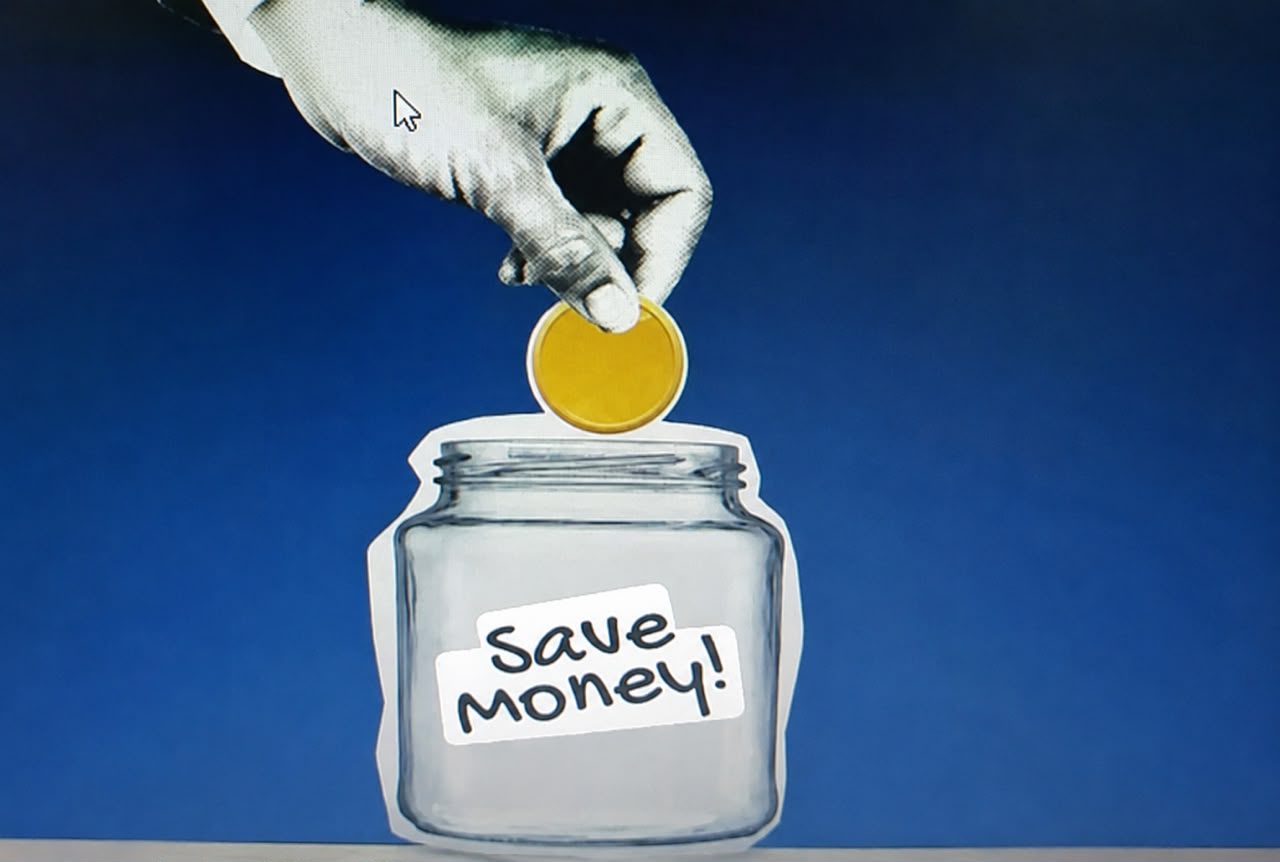
The instinctive answer in many developing countries is foreign capital. We seek foreign investors, grants and foreign expertise. All have an important role to play. Tanzania has benefited from each of them. Yet, history offers a striking lesson. No country has become prosperous primarily because foreigners invested in it. Prosperous countries became prosperous because their own citizens saved, invested and reinvested in productive activities at scale.
Domestic capital formation matters because it creates something foreign capital never can: Ownership. A road financed by external borrowing may be physically located in Tanzania, but the obligation to repay remains ours. A factory financed by foreign equity may create jobs, but much of the future profit may leave the country.
Domestic capital, by contrast, allows Tanzanians to participate directly in the wealth created by Tanzanian development. This distinction becomes especially important during periods of global uncertainty. The recent Middle East crisis has demonstrated how quickly external events can disrupt assumptions. Oil prices moved sharply higher. Freight costs increased. Fertiliser markets tightened. Suddenly, countries everywhere were reminded that dependence carries risk.
Capital is no different
Foreign capital is abundant when global conditions are favourable. It becomes selective when uncertainty rises. The world has seen this repeatedly. International investors become cautious. Lending conditions tighten. Capital seeks safety. Countries dependent on external financing discover that the tap can slow precisely when investment needs remain greatest.
Domestic capital behaves differently. It understands local realities. It remains present during difficult periods. Most importantly, it compounds. Compounding is the true secret of economic transformation, wealth creation.
Consider two societies. In the first, citizens save little because they rarely see visible returns from public investment. Projects take too long. Costs escalate.
Outcomes disappoint. Over time, people become sceptical that their savings can produce meaningful change. In the second, investments produce visible and measurable results.
Roads reduce transport times. Energy projects lower production costs. Industrial facilities create jobs. Markets expand. Citizens see evidence that investment works. The difference is not merely economic. It is psychological.
Visible success changes behaviour
When people observe investments generating tangible benefits, they become more willing to save. When they save, more capital becomes available for productive investment. Successful investment creates additional growth, which generates additional savings. Savings become investment; investment becomes productivity; productivity becomes prosperity.
The cycle reinforces itself. This is why value-for-money matters so profoundly. Every shilling invested in infrastructure, industry or public services should be judged not merely by how much was spent, but by what it produces. A project with a shorter payback period creates benefits sooner. Those benefits circulate through the economy faster. Confidence rises. Economic actors become more willing to commit their own capital.
The opposite is equally true. Projects that consume resources without producing visible results weaken public confidence. Citizens become reluctant to save. Investors become cautious. Capital formation slows. Development becomes increasingly dependent on external sources.
The lesson is simple: Trust is not built through promises. It is built through outcomes. This is where capital markets become essential. A well-functioning capital market performs a powerful economic function. It transforms scattered savings into productive investment. It allows pension funds, insurance companies, collective investment schemes and ordinary citizens to participate directly in national development.
More importantly, capital markets impose discipline. Investors ask questions. They demand transparency. They evaluate risks. They compare alternatives. They seek returns. In doing so, they help direct capital toward activities that create genuine value rather than simply consume resources.
ALSO READ: Small savings can build Africa’s grand infrastructure
The great challenge for Tanzania as it embarks on Vision 2050 is therefore not merely to attract more capital. It is to allocate capital more productively. Productive capital is not measured by how much money is spent. It is measured by how much future income it creates.
The countries that transformed themselves over the last century understood this principle well. They mobilised domestic savings. They built institutions that encouraged long-term investment. They rewarded productivity. They insisted on accountability. Above all, they ensured that citizens could see the connection between sacrifice today and prosperity tomorrow.
Tanzania stands at a similar moment. The global economic tsunami triggered by geopolitical tensions has reminded us that resilience cannot be imported. It must be built. Verification protects markets. Value-for-money protects investment. Domestic capital formation finances transformation.
Together, they form the foundation of genuine selfreliance. The task before us is not simply to raise more money. It is to create a system in which Tanzanians can see their savings building factories, financing infrastructure, expanding productive enterprises and generating future prosperity.
When results become visible, confidence grows. When confidence grows, savings increase. And when savings increase, nations rise.